
PU Leather vs Ballistic Polyester: A Bag Manufacturer's Material Science Breakdown
Choosing between 1.2mm synthetic PU leather and 1680D ballistic polyester is not just an aesthetic choice—it dictates tear resistance, water barrier protection, and long-term durability. Here is an unvarnished factory comparison.
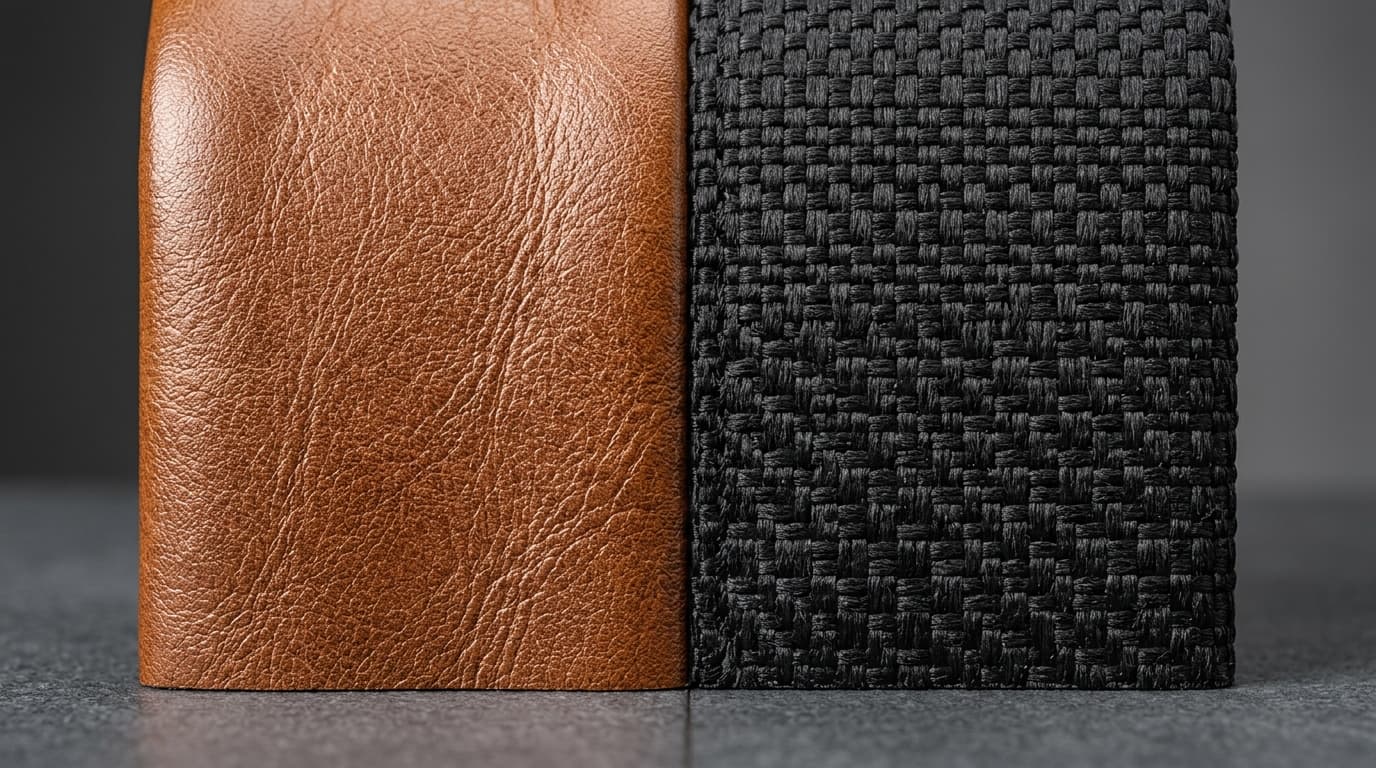
- 01.Chemical & Physical Architecture: Cast PU vs. PVC 'Rexine' vs. Woven Polymers
- 02.Denier Deconstructed: 1680D Ballistic vs. 900D Oxford vs. 600D Fabrics
- 03.The Humidity Challenge: How to Spot Quality and Prevent Peeling
- 04.Head-to-Head Comparison Matrix: 1.2mm Textured PU vs. 1680D Ballistic Polyester
- 05.The Sourcing Playbook: Selecting the Right Material for Your B2B Product Line
- 06.Frequently Asked Questions
Chemical & Physical Architecture: Cast PU vs. PVC 'Rexine' vs. Woven Polymers
When evaluating luggage and corporate bag specifications, the term 'synthetic leather' is often applied carelessly across vastly different materials. In wholesale markets, low-tier brokers frequently substitute low-cost PVC (colloquially known as 'Rexine') in place of high-grade Polyurethane (PU). Understanding the physical differences explains why one material endures for years while the other disintegrates in months:
- 1.High-Grade Cast PU Leather (Polyurethane): High-grade PU consists of an aliphatic or polyether-based polyurethane top skin cast over a microfibre non-woven or circular-knitted scrim base. The total gauge ranges between 1.0mm and 1.4mm. Polyurethane contains micro-porous structures that allow natural flexibility, remain supple over years, and resist surface cracking.
- 2.Low-Grade PVC 'Rexine': PVC is a rigid polymer that requires added liquid plasticizers to become flexible. When exposed to ambient heat and sunlight, these plasticizers migrate to the surface. The surface turns sticky and oily, attracting dust, followed by embrittlement. Within 3 to 6 months, PVC Rexine cracks along fold lines and releases unpleasant chemical odors.
- 3.Continuous-Filament Woven Ballistic Polymers: Unlike coated sheet membranes, ballistic polyester and nylon are woven from thousands of high-tenacity extruded polymer filaments. Ballistic weave relies on a dual-bundle basket-weave geometry that distributes rip forces across intersecting yarn bundles.
Factory Insight: Never accept 'Rexine' for corporate luggage. At AU Prime, we use exclusively dry-process cast Polyurethane (PU). It delivers the luxurious hand-feel of genuine leather while offering high tear resistance and zero oily outgassing.
Denier Deconstructed: 1680D Ballistic vs. 900D Oxford vs. 600D Fabrics
The standard unit of yarn linear mass density in the textile industry is the Denier (D).
The higher the denier number, the thicker and heavier the individual yarn filament. Here is how standard luggage weaves compare on the manufacturing floor:
- 600D Plain Weave Polyester: Standard promotional-grade fabric used in cheap giveaways and event tote bags. Low puncture resistance; seams pull apart under loads exceeding 8 kg.
- 900D Matte Oxford Polyester: A tight, fine-grained structural weave favored for executive tech commuter daypacks. It offers a smooth, modern matte aesthetic with high surface abrasion resistance.
- 1680D Basket Weave Ballistic Polyester: Constructed by twisting yarns into a dual-bundle basket weave. Highly resistant to punctures, friction, and rough transit handling.
Water-Resistant Coatings: Raw woven polyester is naturally porous. Water-resistance is achieved via backside coatings applied during textile finishing:
- 1.Thermoplastic PU (Polyurethane) Coating: AU Prime specifies a liquid PU coating laminated to the fabric underside. This delivers a reliable water barrier while preserving fabric suppleness and keeping total bag weight light.
- 2.Heavy PVC Film Backing: Cheap commercial luggage uses a heavy PVC film melted onto polyester. While initially waterproof, this adds unnecessary dead weight per bag, smells strongly of chemicals, and turns brittle over time.
Technical Tip: Always ask whether a fabric's water barrier is achieved via PU coating or PVC lamination. A PU coating ensures the backpack remains supple, lightweight, and crack-free over years of repeated folding.
The Humidity Challenge: How to Spot Quality and Prevent Peeling
Mumbai's coastal climate presents a real test for synthetic luggage materials. Warm temperatures and high humidity break down cheap synthetic leathers that use unstable plasticizers.
To ensure our bags last for years without peeling or flaking, AU Prime uses polyether-based PU with microfibre scrim backings.
3 Tests You Can Do With Your Hands on Any Sample:
- 1.The Pinch/Crease Test: Pinch a fold of the material firmly between your thumb and forefinger. High-grade PU creates soft, natural grain creases that rebound smoothly. Cheap PVC creates sharp white stress marks that remain visible.
- 2.The Smell Test: Bring the fabric close. PVC emits a pungent, artificial plastic odor. High-grade PU is virtually odorless.
- 3.The Scrim Inspection: Look at the underside backing. High-grade PU uses a soft microfibre or knit backing. Low-grade rexine uses rough, stiff gauze cloth soaked in dried adhesive.
Head-to-Head Comparison Matrix: 1.2mm Textured PU vs. 1680D Ballistic Polyester
To guide procurement heads and brand managers, here is our workshop comparative matrix contrasting high-grade 1.2mm Polyurethane synthetic leather against 1680D Ballistic Polyester:
| Feature / Property | 1.2mm Microfibre-Backed Cast PU | 1680D Basket Ballistic Polyester | Best Application |
|---|---|---|---|
| Aesthetic Appearance | Executive luxury, pebble-grain leather look | Sporty, rugged, tactical matte weave | PU for boardroom / Ballistic for field |
| Tear & Rip Resistance | High structural integrity for executive bags | Maximum rip resistance against sharp edges | Ballistic wins for heavy travel loads |
| Surface Water Barrier | 100% Impermeable top skin | Water-repellent PU coated backing | Both protect internal tech devices |
| Blind Heat Debossing Response | Crisp, permanent sunken impression | Requires secondary PU leather patch | PU wins for direct logo debossing |
| Stain Cleanability | Wipe clean with damp cloth in seconds | Spot scrub with mild brush & detergent | PU is easier for executive maintenance |
| Typical Bag Weight | Medium-light structured feel | Lightweight and flexible | Both balanced for daily carry |
The Sourcing Playbook: Selecting the Right Material for Your B2B Product Line
Choosing the optimal material depends on your organization's brand identity, user commute profile, and budget allocation:
Choose 1.2mm Textured PU Leather When:
- The product is intended for executive corporate gifting, client leadership packages, or professional consulting and finance teams.
- You require deep, elegant blind heat debossing that reflects corporate authority without loud color prints.
- The bag model is a structured laptop briefcase, slim messenger, or luxury travel duffle (such as Models #501, #502, #012, or #208).
Choose 1680D Ballistic or 900D Oxford Polyester When:
- The bag will be subjected to intense daily transit wear, field inspections, engineering site visits, or sports locker room environments.
- Maximum weight reduction is required while carrying heavy tech hardware and document loads.
- You need exceptional tear and puncture resistance against abrasive surfaces and luggage carousels.
The Optimal Solution: The Hybrid Architecture: Rather than choosing between materials, leading modern brands combine both into an engineered hybrid design:
- The primary structural shell, base panel, and high-wear bottom corners are cut from 1680D or 900D ballistic polyester for maximum abrasion protection.
- The front face panel, top carry handles, zipper pull accents, and logo badges are constructed from 1.2mm pebbled PU leather to provide executive aesthetics and heat debossing clarity.
- This hybrid methodology is demonstrated in our high-demand models: Commuter Laptop Backpack #019, Classic Gym & Travel Duffle #201, and Canvas & Leather Hybrid Messenger #520.
Manufacturing Recommendation: For corporate orders of 100+ units, our hybrid construction (Model #019 or #201) delivers high perceived executive value while keeping per-unit manufacturing costs within standard corporate gifting budget thresholds (₹650 to ₹850).
Planning a Bulk Bag Order for Your Team or Brand?
Connect directly with our Byculla workshop sales desk. Share your approximate quantity, budget range, and logo placement for an immediate slab quote and sample timeline.
RECOMMENDED BAGS REFERENCED IN THIS GUIDE
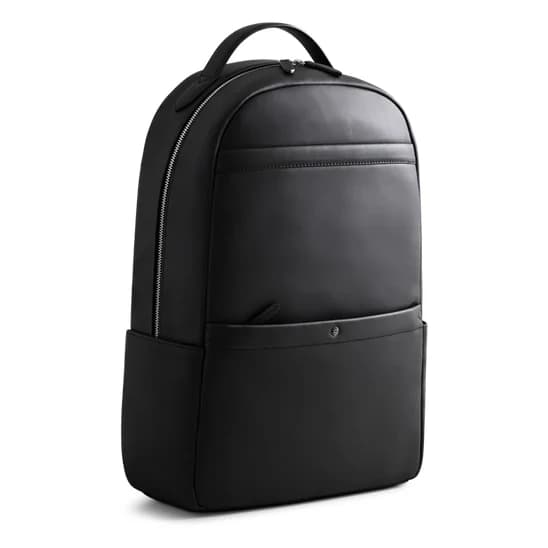 #012MOQ 50 Pcs per color
Minimalist Urban Backpack
Premium PU Leather
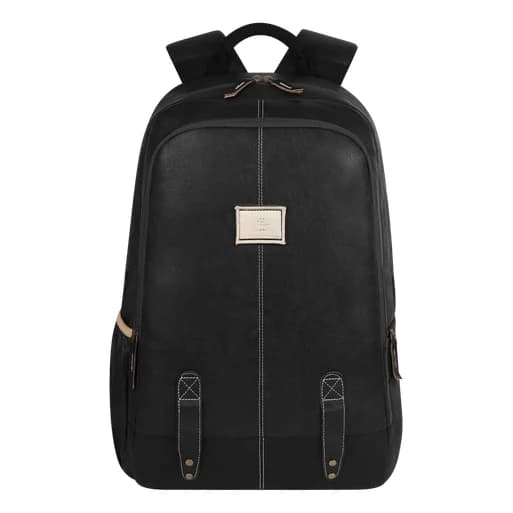 #019MOQ 50 Pcs per color
Commuter Laptop Backpack
Synthetic High Quality Leather
 #201MOQ 50 Pcs per color
Classic Gym & Travel Duffle
PU Leather + Polyester
 #520MOQ 50 Pcs per color
Canvas & Leather Hybrid Messenger
PU Leather + Heavy Canvas
Indian national standards for polymer-coated fabrics, seam rupture, and coating adhesion.
Official portal supporting registered Indian manufacturing units and industrial workshops.
FREQUENTLY ASKED QUESTIONS
How can I tell if a supplier is using real PU leather or cheap PVC Rexine?
Perform three quick factory tests: First, smell: PVC emits a sharp, pungent chemical/chlorine odor, while PU is virtually odorless. Second, flex: pinch and fold the material 180 degrees; PU creates soft, natural grain creases that rebound immediately, while PVC creates stiff white stress lines. Third, backing: inspect the underside; high-grade PU uses a soft microfibre or knit scrim, while cheap Rexine uses a stiff, glue-soaked woven cheesecloth.
Why does faux leather peel in Mumbai, and how does AU Prime prevent it?
Peeling happens when warm moisture breaks down cheap plasticizer bonds in low-grade synthetic leathers. AU Prime uses polyether-based polyurethane with breathable microfibre backings, which resists humidity breakdown and ensures long-lasting durability in coastal climates.
What does 1680D mean, and is it better than 600D?
Denier measures the linear density of yarn filament. 1680D ballistic polyester uses yarn nearly three times thicker than standard 600D fabric, woven in a dual-bundle basket pattern. It delivers significantly higher tear resistance, puncture resistance, and long-term abrasion durability.
Can we deboss our company logo directly on ballistic polyester fabric?
Ballistic polyester does not accept clean blind heat debossing because woven synthetic yarns do not compress into a permanent smooth relief. To brand ballistic bags, AU Prime stitches a custom debossed PU leather badge or mounts an electroplated metal plate onto the polyester front panel.
How do you clean and maintain PU leather vs ballistic polyester luggage?
PU leather requires simple cleaning: wipe down with a microfiber cloth dampened with mild soapy water; avoid solvent-based cleaners or alcohol sanitizers which degrade the top urethane coating. Ballistic polyester can be scrubbed gently with a nylon brush and dilute detergent to lift dirt from the woven grooves.
Published by AU Prime Enterprises Manufacturing Desk
We are a direct OEM and private-label bags and luggage manufacturing plant located in Byculla, Mazgaon, Mumbai. Sourcing directly from our workshop gives brands and corporate gifting teams access to honest factory pricing, low 50-piece MOQs, and 7-day turnaround.